
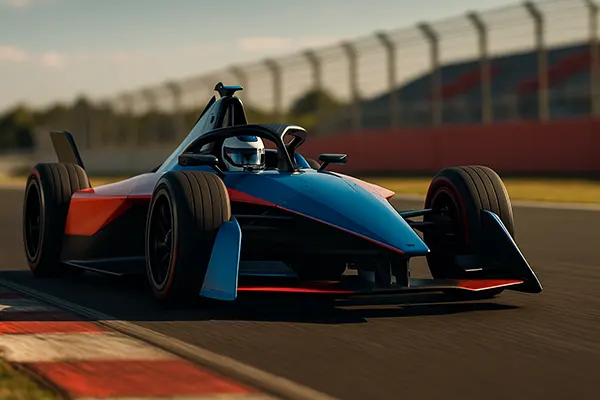
How Formula E Will Evolve with the Arrival of Gen4 Cars in 2025
The introduction of the Gen4 era marks the most ambitious evolution in Formula E to date. This new generation brings a leap in performance, energy efficiency and sporting strategy, shaping a different future for drivers, engineers and fans. With updated regulations and major technological upgrades, 2025 becomes a decisive milestone for electric motorsport.
Performance Improvements and Engineering Innovations
The Gen4 specification significantly increases power output, offering up to 600 kW combined from front and rear powertrains. This step changes the overall racing pace and requires more advanced thermal management systems to ensure stable performance during demanding race conditions. The improved acceleration figures bring electric single-seaters closer to traditional open-wheel racing benchmarks.
Enhanced regenerative braking is another major improvement, capable of recapturing over 70% of the energy used per lap. This reduces reliance on mechanical braking systems and shifts the focus toward software-driven control strategies. The increased efficiency allows teams to adopt more aggressive race tactics without risking early energy depletion.
The redesigned battery delivers greater usable capacity while maintaining strict weight limitations. Developed to withstand intense energy cycles, it ensures stable output throughout the race. Combined with improved inverters and lighter composite materials, Gen4 cars become more durable and adaptable across different circuit types in the 2025 calendar.
Impact on Car Dynamics and Handling
The dual-motor configuration transforms the way drivers approach corners, particularly in low-grip conditions. With independent torque distribution between the front and rear, the chassis gains new levels of stability, allowing more precise control during acceleration and braking phases. This flexibility changes optimal driving lines on several circuits.
The revised aerodynamic package focuses on improving efficiency rather than maximising downforce, consistent with the championship’s sustainability goals. Reduced aerodynamic drag enhances straight-line performance while keeping energy consumption stable. Engineers now rely more on mechanical grip and software calibration to refine handling behaviour.
Improved suspension geometry and newly introduced tyre materials extend the working range of the tyres across various temperatures. This reduces performance drop-off during longer stints and accommodates tracks with unpredictable climatic conditions. As a result, teams can plan race strategies with fewer constraints linked to tyre degradation.
Fan Experience and Sporting Format Adjustments
The 2025 season brings changes aimed at improving race visibility, predictability, and the strategic depth of competition. Gen4 cars introduce higher speeds, pushing event organisers to refine safety protocols and marshal training to match the increased intensity. Updated track layouts for several venues enhance overtaking zones without compromising safety.
A renewed race format increases the importance of in-race energy decisions. Mandatory regeneration phases and revised “Attack Mode” rules add layers of tactical variety and reward drivers who manage energy with precision. This adjustment gives fans clearer insights into strategic moves unfolding during the race.
Broadcast improvements focus on telemetry-based storytelling, offering real-time energy usage comparisons and torque distribution visualisation. These additions help audiences better understand the technical complexity behind Gen4 engineering. More accessible analytics enhance viewer engagement and broaden appeal to technologically curious fans.
Influence on International Fan Engagement
Additional street circuits across Asia, the Middle East and Europe increase accessibility for international spectators. Hosting races in key metropolitan areas strengthens the link between electric mobility and urban innovation, which remains central to the championship’s identity. These events create broader opportunities for local engagement and fan involvement.
Interactive digital tools offer fans detailed race simulations and predictive models based on actual telemetry. These features encourage informed discussions and enrich pre-race expectations. Expanded multilingual coverage widens global reach and supports diverse audiences following Formula E developments.
Teams and manufacturers invest in deeper community programmes focused on youth engineering education and sustainability awareness. These initiatives help solidify fan loyalty while demonstrating the practical value of electric technologies. Gen4 therefore becomes not only a racing upgrade but also a platform for shaping future generations interested in engineering and environmental progress.
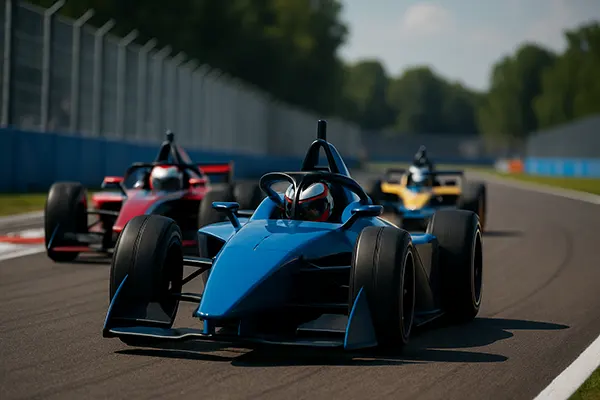
Long-Term Influence on Motorsport and Electric Vehicle Development
The Gen4 era serves as a real-world testing ground for high-voltage systems, battery management architecture and lightweight structural design. Lessons gathered across the season directly inform manufacturers’ road-car development programmes. Many breakthroughs initially tested under racing conditions eventually migrate into mass-market EVs.
Competitiveness among manufacturers intensifies as the technology gap narrows. This stimulates faster innovation cycles, encouraging teams to refine powertrain mapping, cooling solutions and control electronics. The championship becomes an efficient research environment where engineering challenges meet practical commercial applications.
Regulatory bodies use the Gen4 season to assess the long-term sustainability of electric racing. Key areas include battery recycling, material circularity and broader energy-efficiency metrics. This knowledge influences the design of future FIA guidelines, shaping the structure of the global electric motorsport landscape.
Future Prospects for the Championship
The success of Gen4 will determine the trajectory of Formula E’s expansion across new markets. Strengthened manufacturer commitment and rising fan interest position the championship as a stable pillar of modern motorsport. Its adaptability to urban environments continues to set it apart from other open-wheel series.
Upcoming regulations may introduce stricter energy caps and further encourage lightweight construction. These changes aim to maintain technological relevance and preserve competitive balance among teams. Discussions surrounding autonomous safety systems and more advanced driver-assist functions are also gaining attention.
The Gen4 generation lays the groundwork for long-term innovation in electric racing. Its influence extends beyond performance, shaping how sustainability, technology and public engagement coexist within motorsport. As these developments mature, Formula E strengthens its role as a forward-thinking championship aligned with global mobility trends.