
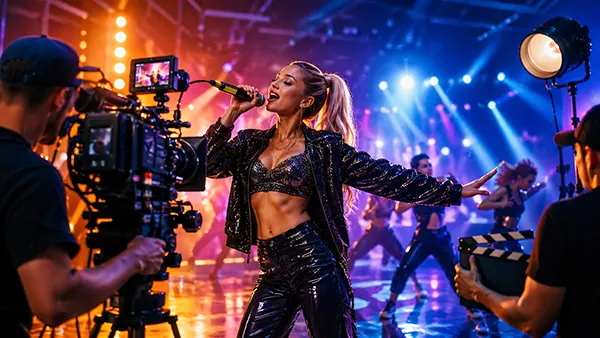
Music Films in 2026: Why Pop Stars Are Moving from Stage to Screen
By 2026, the line between music and cinema has become increasingly blurred. Pop artists are no longer confined to releasing albums or touring; many are stepping into film, particularly within musical productions and biographical storytelling. This shift is driven by evolving audience expectations, the influence of streaming services, and the need for artists to remain visible in a competitive entertainment landscape. Moving into cinema allows performers to expand their creative expression while strengthening their long-term presence in the industry.
The Evolution of Music Films in the Streaming Era
Streaming services have transformed how music-related films are produced and consumed. Major companies now invest heavily in exclusive content featuring well-known artists, including documentaries, concert films, and narrative productions. This demand creates new opportunities for pop stars to take on leading roles and actively shape cinematic projects.
Unlike traditional cinema, streaming encourages flexible storytelling formats. A single project can blend performance footage, scripted scenes, and real-life elements without strict genre limitations. This freedom allows musicians to present their work in a more layered and engaging way, going beyond standard music videos.
Global accessibility is another key advantage. Streaming releases reach international audiences instantly, which aligns perfectly with the worldwide fanbases of modern artists. This broad reach makes film projects both commercially viable and strategically important.
Changing Audience Expectations
Audiences in 2026 expect more than visually appealing content. There is a growing demand for authenticity and meaningful storytelling. Films involving musicians succeed when they provide insight into personal experiences, creative struggles, or industry realities.
This shift has influenced how artists approach acting. Pop stars are increasingly expected to deliver credible performances rather than relying solely on their fame. Many invest time in acting training and collaborate closely with experienced directors.
At the same time, musicians bring natural authenticity to performance scenes. Their stage experience translates into believable on-screen presence, which often enhances the overall quality of musical sequences in films.
Career Diversification and Long-Term Strategy
Entering the film industry has become a strategic move for many artists. The music sector remains highly competitive, with constant pressure to release new content. Acting provides an additional channel to maintain relevance while exploring different forms of creativity.
Financial factors also play a role. Income from streaming music is often limited compared to earlier eras. Film projects, especially those supported by major studios or streaming services, offer more stable and diverse revenue streams.
Beyond acting, artists gain opportunities to participate in production, directing, or script development. This involvement allows them to build sustainable careers that extend beyond performing on stage.
The Importance of Personal Branding
Pop stars today function as complete brands, and film participation strengthens their identity. A successful role can reshape public perception, allowing artists to move beyond a single musical style or image.
Many projects now follow a cross-media approach. Albums, films, and online content are interconnected, creating a unified narrative that keeps audiences engaged over time.
Critical recognition in film can also enhance credibility. Collaborations with respected filmmakers or participation in award-winning productions often open new professional opportunities.
Industry Collaboration Between Music and Film
The connection between record labels and film studios has become more structured. Joint projects allow coordinated releases, where films support music launches or tours. This approach increases visibility while reducing promotional costs.
Technological advancements have further strengthened this collaboration. Virtual production tools, advanced sound design, and real-time visual effects make it easier to create ambitious music films without traditional limitations.
Data analysis also influences decision-making. Streaming services use audience behaviour data to predict demand and guide investments, reducing risks and encouraging further collaboration between industries.
Future of Music Films
Music films are expected to become more diverse in both format and storytelling. Hybrid productions that combine live performance, narrative, and interactive elements are already gaining attention.
New talent is also being trained differently. Emerging artists are developing skills not only in music but also in acting and media production, preparing them for careers across multiple fields.
The transition of pop stars into cinema reflects a long-term transformation rather than a short-lived trend. Artists who adapt to this environment and create compelling stories across formats are likely to remain influential in the years ahead.